
Tick Signs
In my last post, I wrote about bounded temporality — the way we confuse what feels normal right now with what must be, and how that limits our ability to imagine otherwise. Smoking on airplanes. Kids without seatbelts. Each generation’s “normal” turns out to have been a boundary disguised as reality.
That idea isn’t abstract for me. It’s my life.
I lived for 45 years with no recognition that I was autistic. Zero. I didn’t have the language, the frame, or even the faintest clue. I just thought I was “too sensitive,” “too much,” “too weird.” I paid attention to things that other people didn’t - patterns in conversations, shifts in energy, subtle signals that seemed obvious to me and invisible to everyone else. When I tried to explain, I was told I was overreacting or imagining it. I believed that I was a misfit who just couldn’t get it together like everyone else.
That was the story I carried for decades. Until my kids were diagnosed. Learning about their autism (and its deeply genetic roots) meant suddenly, shockingly, learning about myself. The pieces I had taken as flaws snapped into focus as part of a different way of perceiving the world. For nearly half a century, I was bounded by other people’s definitions of “normal.”
Discovering Umwelt
Biologist Jakob von Uexküll used the word umwelt to describe the sensory bubble every creature lives inside.
For the tick, its whole universe boils down to just three signals:
the smell of mammalian skin
the warmth of blood
the darkness of fur
That’s enough. Everything else - the forest, the seasons, the weather - doesn’t exist for the tick.
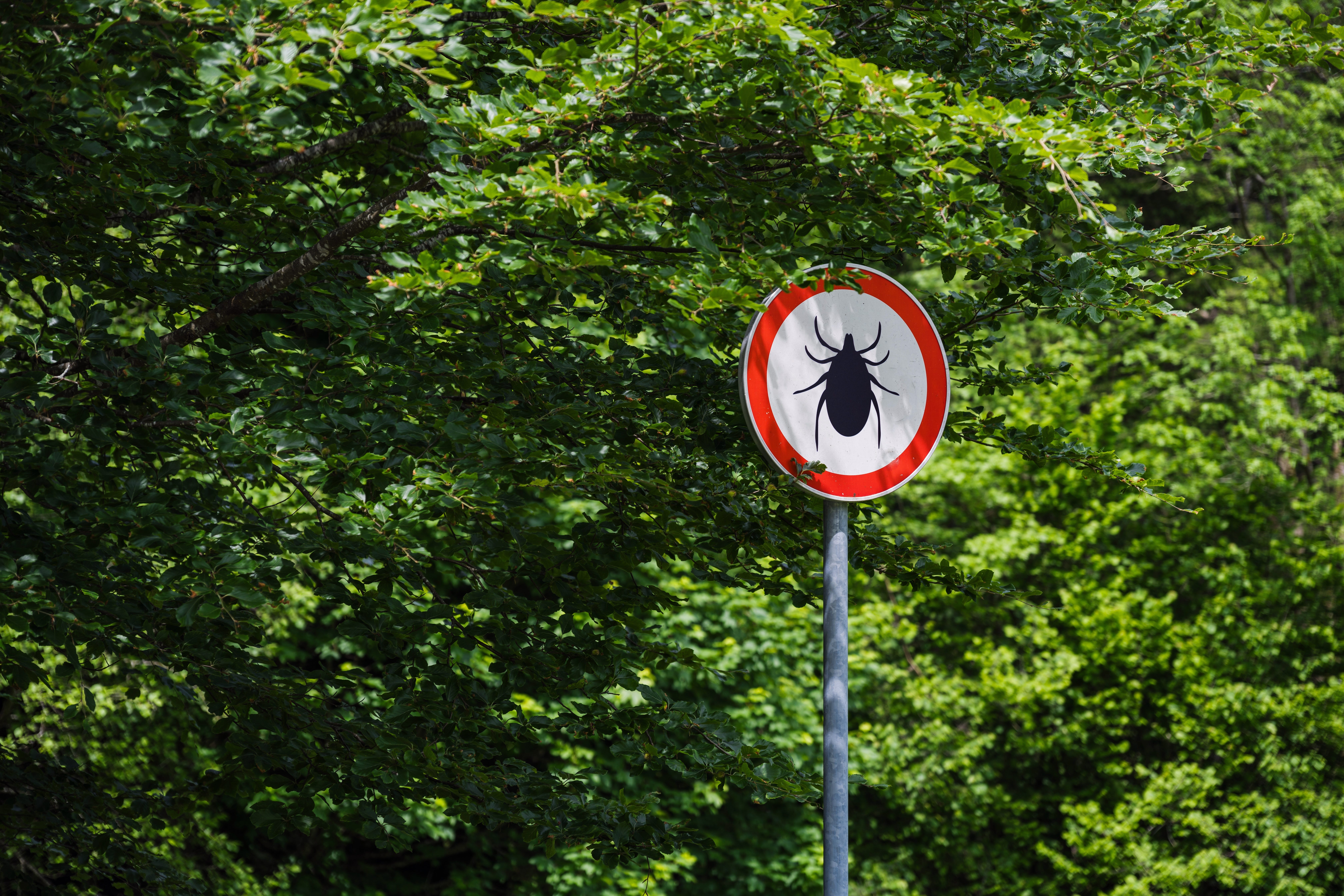
Humans have more than three signals we’re attuned to (we’ve got culture! language! symbols!) - but we’re just as bounded. We tune in to what we’ve been trained to notice - a breaking headline, a sudden price spike, a crisis barging in - while other signals drift past unnoticed.
When I learned about the idea of umwelt, it gave me a way to understand my own brain. My autistic umwelt tunes me to things that fall outside the collective frame. A hesitation in someone’s voice. A creeping burnout in a team. An unspoken rule that shapes who belongs and who doesn’t. Those are signals I can’t not notice.
The Gift and the Weight
That noticing can be a gift: I can see patterns, connect dots, anticipate change before it’s named. But it’s also heavy: the sheer volume of signals can overwhelm me (and I can’t always tell what actually matters and what is just noise), and even when I can see important things that may not be obvious - I often can’t convince others they exist.
This is the paradox: the same sensitivities that feel essential to me can look irrelevant, confusing, or even threatening to others.
From Bounded Temporality to Shared Umwelts
The present always tricks us into believing its boundaries are permanent. Umwelt shows us that those boundaries aren’t universal. Each of us lives inside our own bubble of signals.
I spent nearly fifty years without understanding why my signals were different. Now I know: my umwelt isn’t broken. It’s just tuned differently. And I’m not too much or too sensitive or too weird - sometimes the signals that the world dismisses as “noise” are exactly the ones that matter most.
So What?
Here’s why this matters: the world is full of overlapping umwelts. Autistic ones. Neurotypical ones. Cultural, generational, professional - and yes, class-based ones. The umwelt of someone struggling to pay rent is not the same as that of someone managing investments. What feels like “reality” shifts depending on what you’ve been trained, forced, or privileged to notice.
None of these umwelts contain the whole picture.
When we mistake our own umwelt for the world, we collapse possibility into what feels obvious. But when we learn to share and respect each other’s signals - especially the ones that feel strange, uncomfortable, or “too much” - we expand what’s possible for all of us.
This is especially true in foresight and systemic design work. The future doesn’t arrive in neat, recognizable packages. It shows up first at the edges - in perceptions that don’t fit the frame, in experiences shaped by class, culture, or neurology that the dominant lens can’t see. If we filter those out because they unsettle us, we blind ourselves to the very material of transformation.
That’s why we need to make space for different ways of perceiving. For autistic perception. For marginalized perception. For class-based perception. For all the signals that the mainstream umwelt ignores or dismisses as irrelevant.
Futures don’t emerge from what everyone already sees. They emerge from the signals some of us notice before the rest.
And that isn’t noise. That’s the beginning of change.